The Importance of Proper Ventilation When Completing a Full Roof Replacement
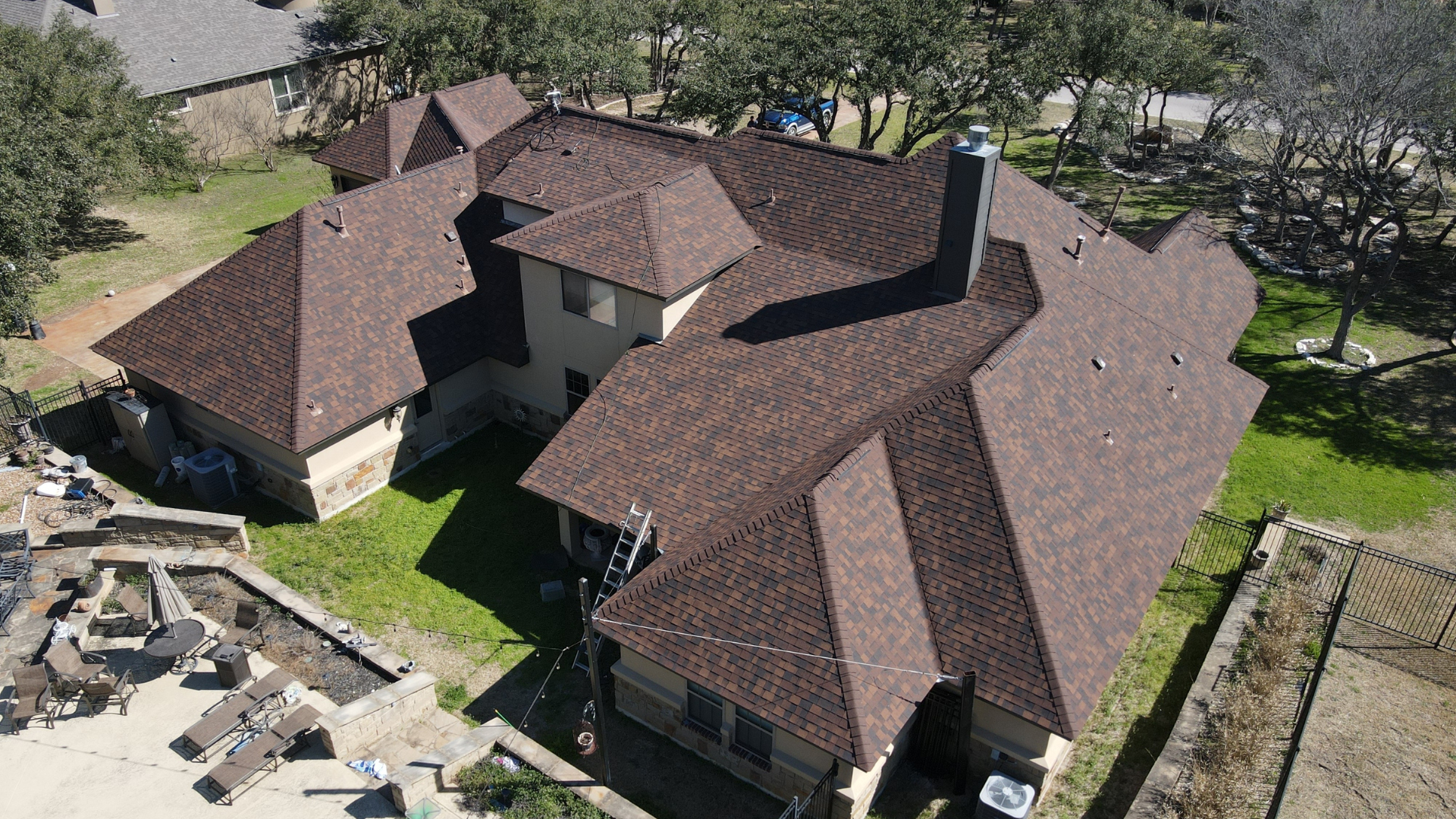
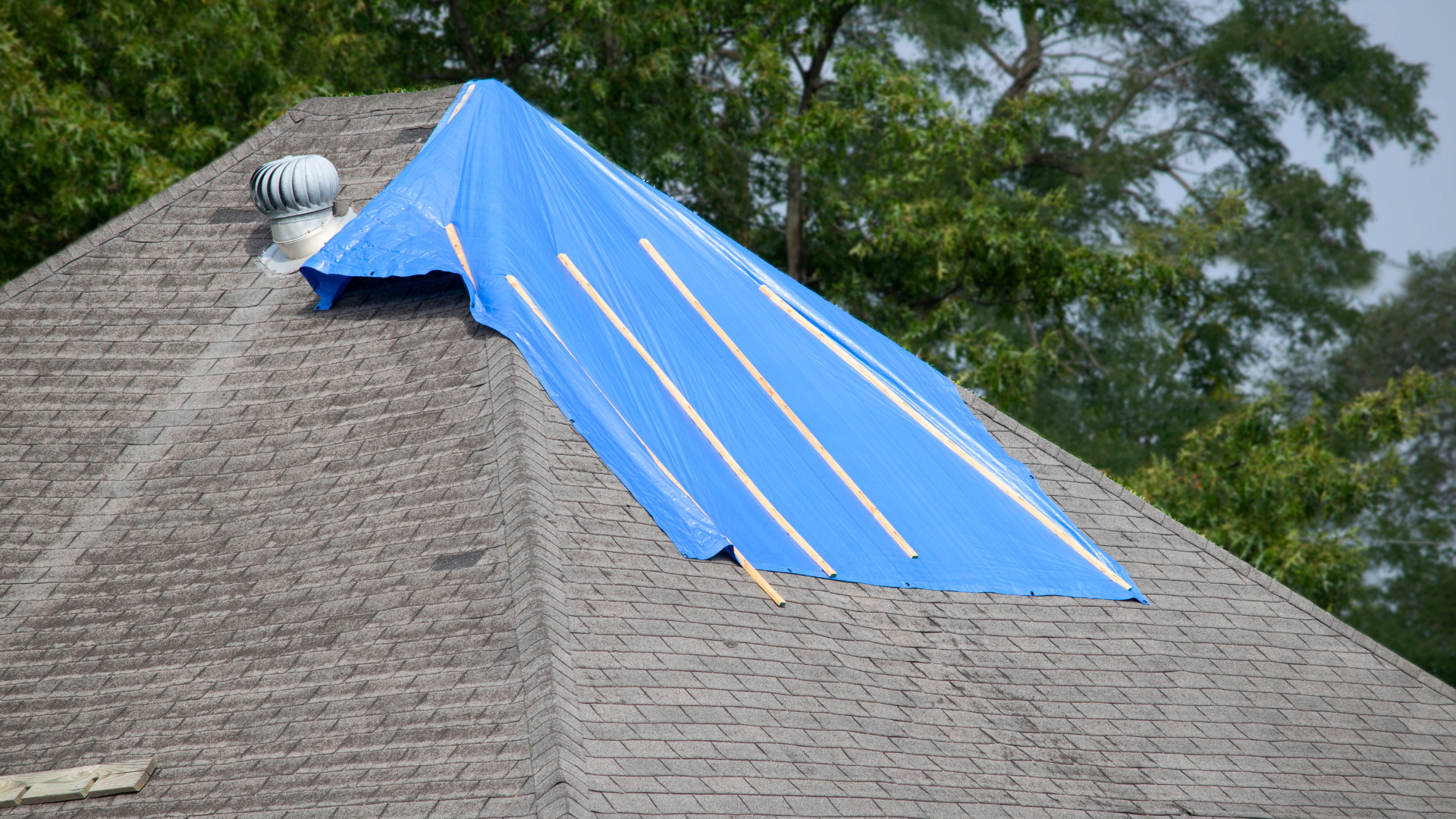
A full roof replacement offers homeowners the opportunity to strengthen the performance, durability, and efficiency of their homes. While many people focus primarily on the shingle material or the aesthetic transformation, one of the most important components of a successful roof replacement is proper ventilation. Ventilation plays a central role in the long term health of the roof structure, the comfort of the living space, and the overall lifespan of the new roofing system. When we complete a roof replacement, ventilation is never an afterthought. It is a fundamental part of the installation process that ensures the entire system performs as it should.
Why Ventilation Matters During a Roof Replacement
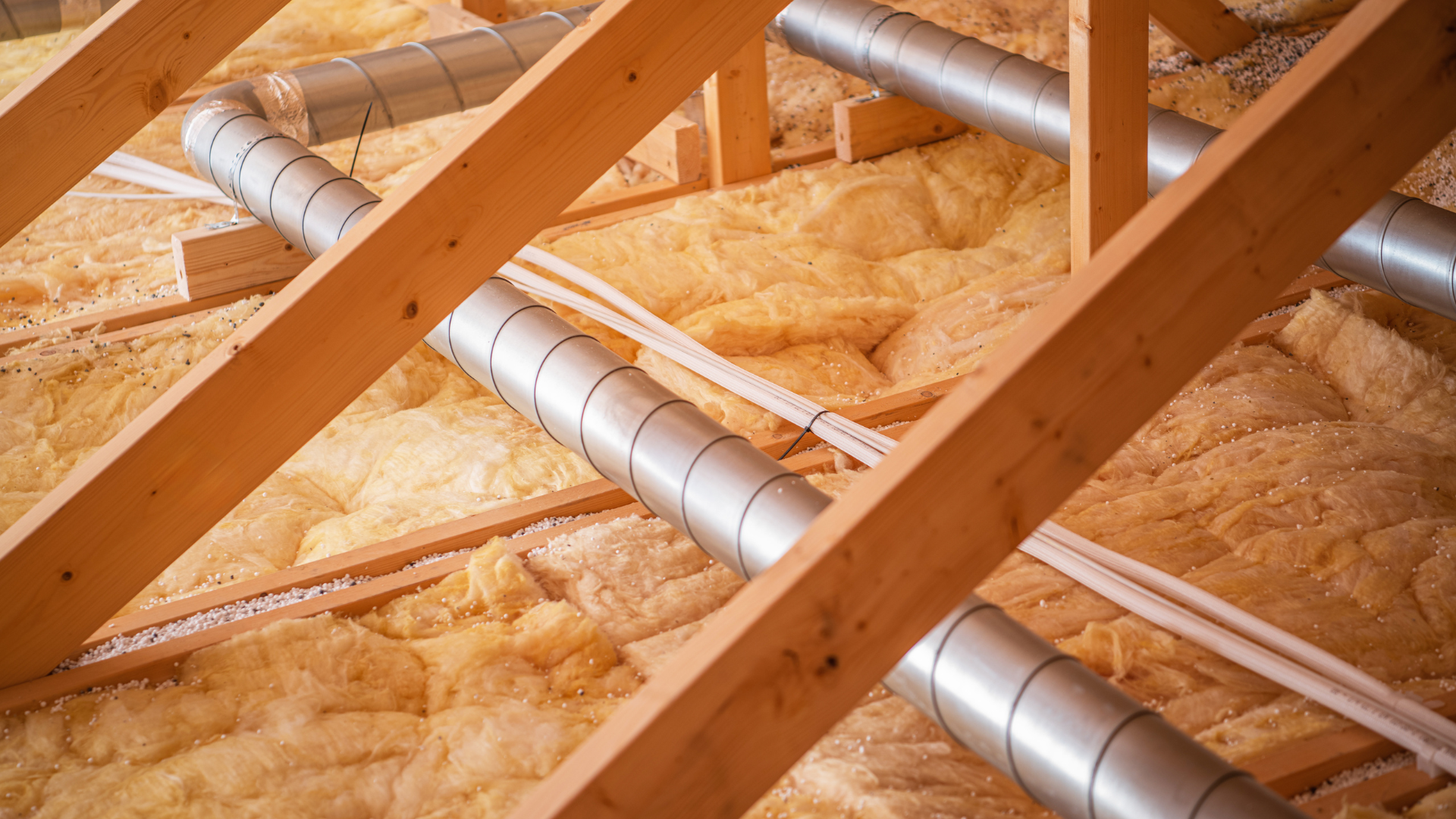
A roofing system functions best when air flows effectively through the attic. Without proper ventilation, heat and moisture build up inside the attic space, which can create a range of problems for both the roof and the home. Warm air naturally rises, and if it cannot escape, it becomes trapped under the roof deck. This trapped heat can prematurely age roofing materials by causing shingles to warp, curl, or lose granules more quickly than they should.
Moisture is another concern. Everyday household activities such as cooking, showering, and laundry produce moisture that travels upward. When this moisture enters the attic and cannot escape, it may condense on the roof deck and insulation. Over time, this moisture can weaken wood structures, reduce insulation effectiveness, and create an environment where mold may thrive. Proper ventilation helps remove excess heat and moisture, ensuring the new roof remains in optimal condition.
The Role of Intake and Exhaust Systems
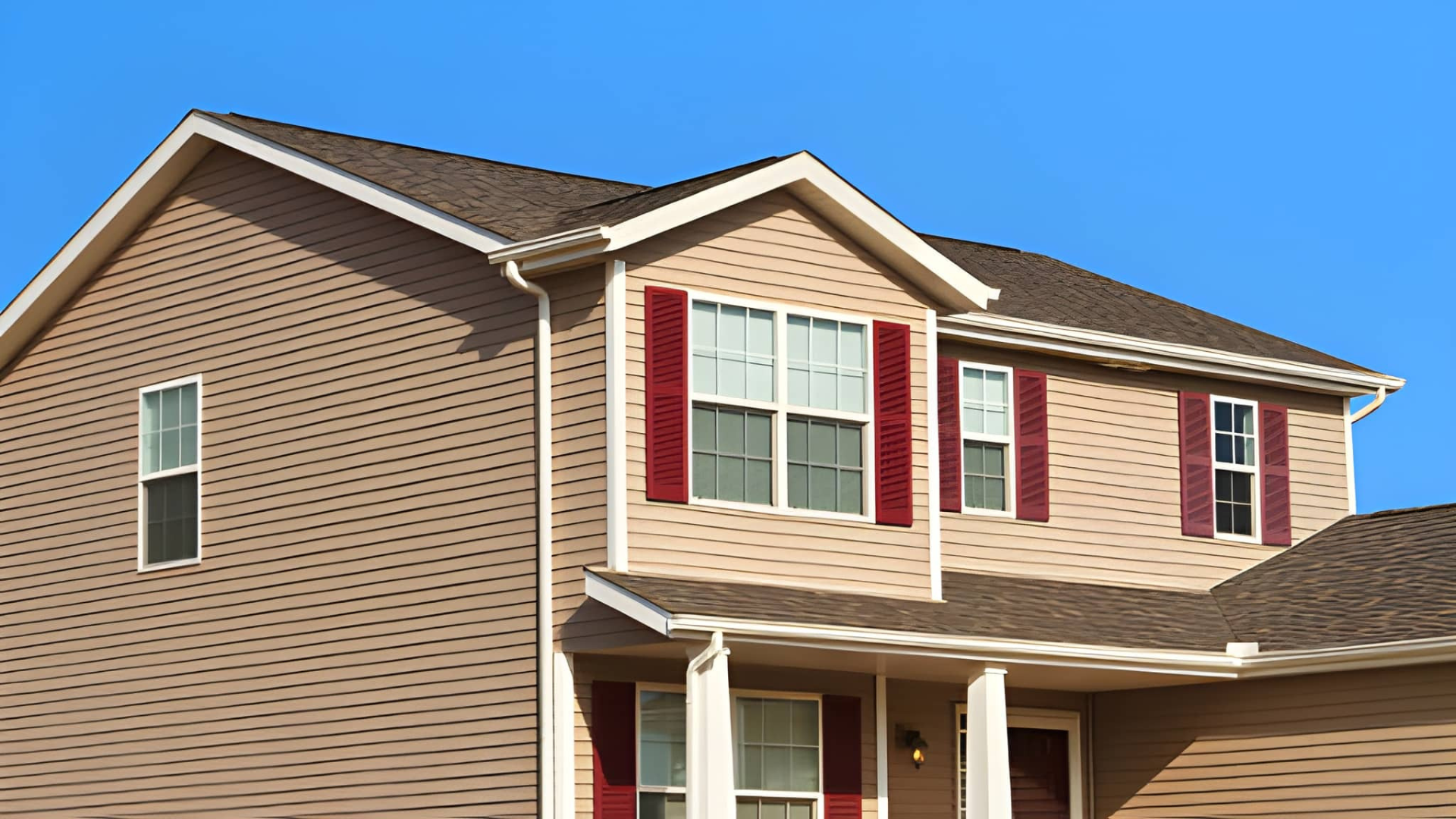
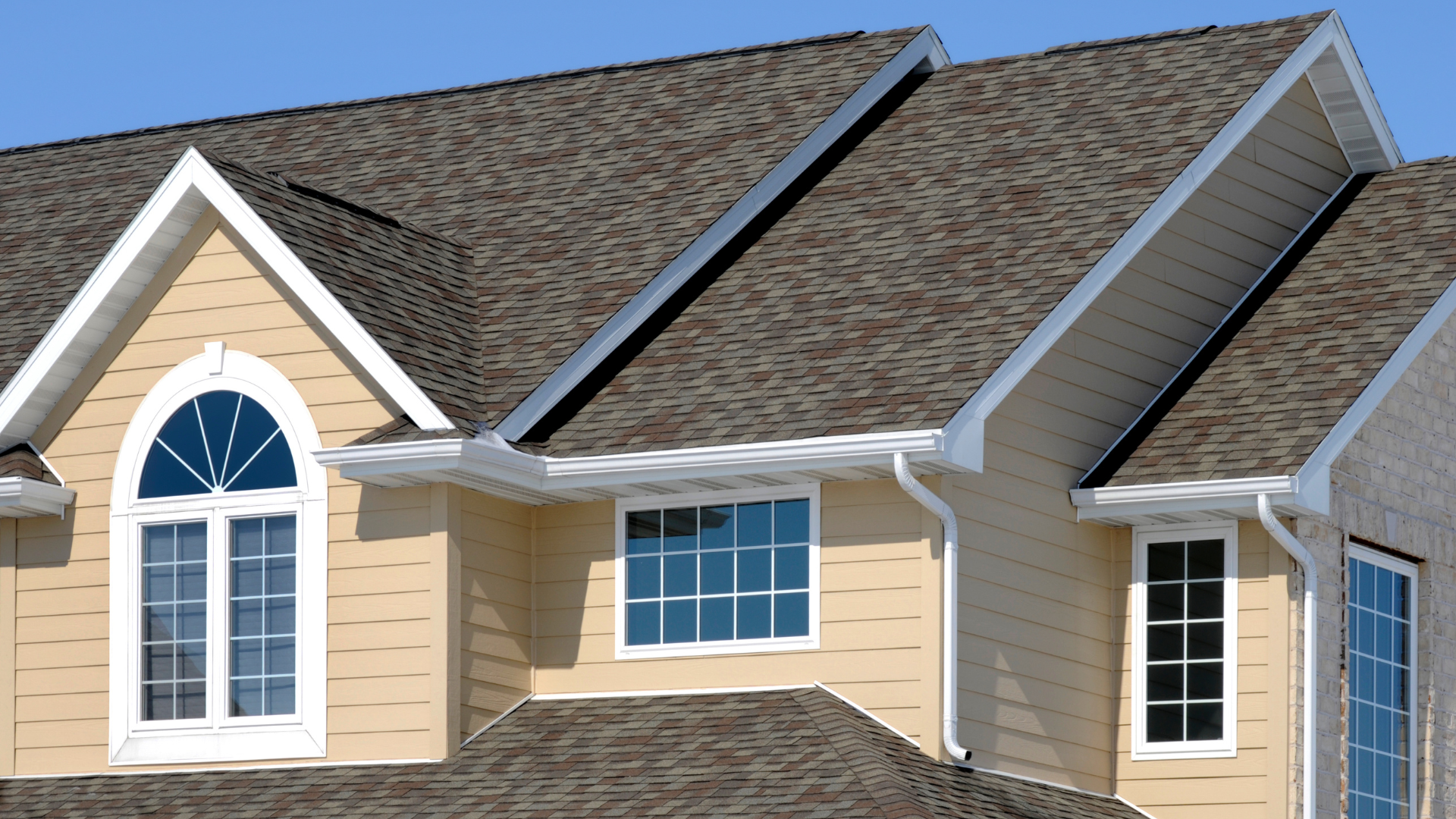
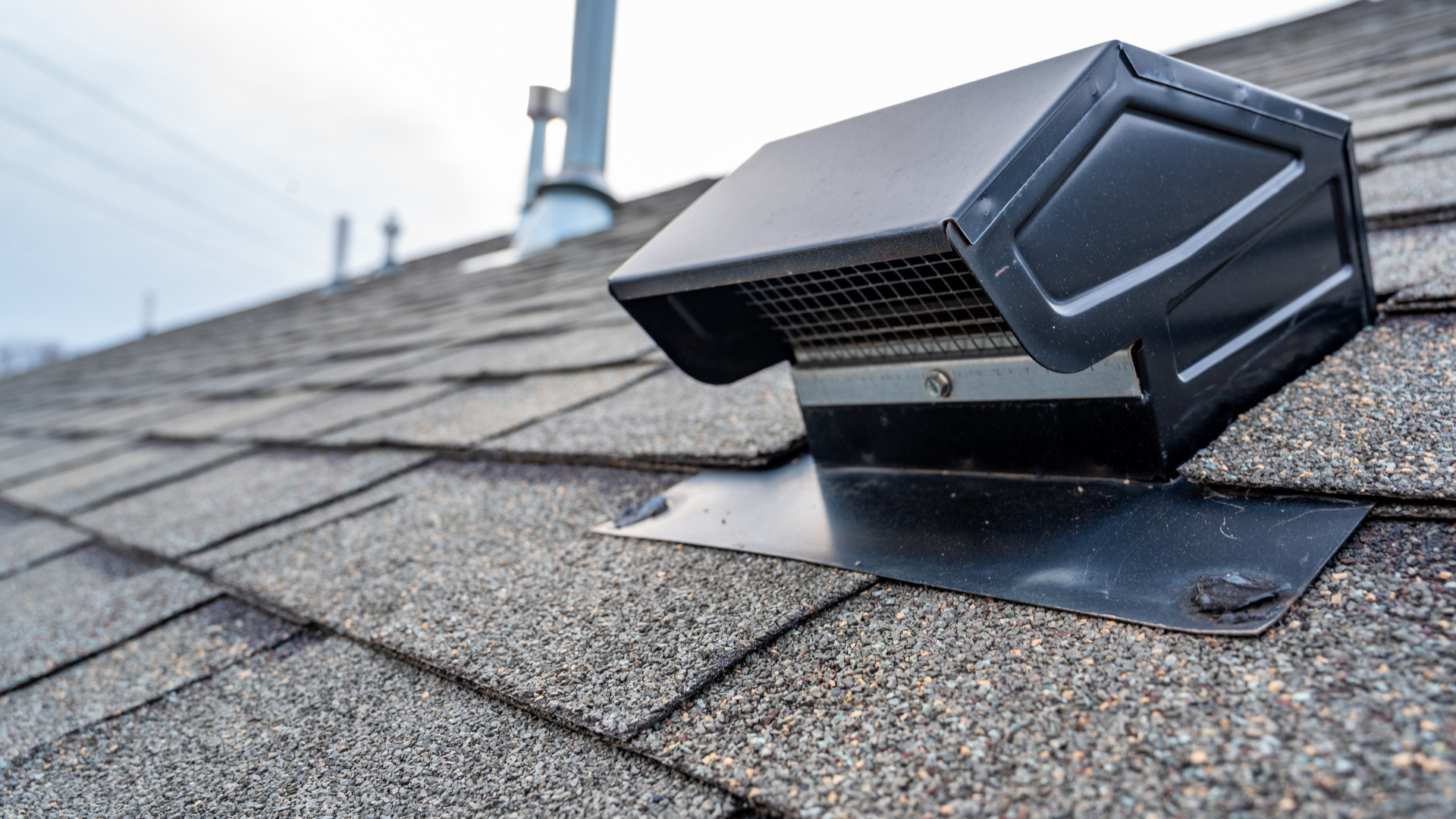
Effective ventilation requires balance. Air must enter and exit the attic in a controlled and consistent manner. This balance is achieved through a combination of intake vents and exhaust vents. Intake vents, often located in the soffits, allow fresh air to enter the attic. Exhaust vents, located near the ridge, allow warm air to escape.
During a roof replacement, we evaluate the existing
ventilation system to determine whether it meets the needs of the home. Many older roofs have inadequate ventilation, either because older building practices did not prioritize it or because vents have become blocked or damaged over time. A
full replacement gives us the opportunity to correct these issues and install a properly balanced system that supports the new roofing materials.
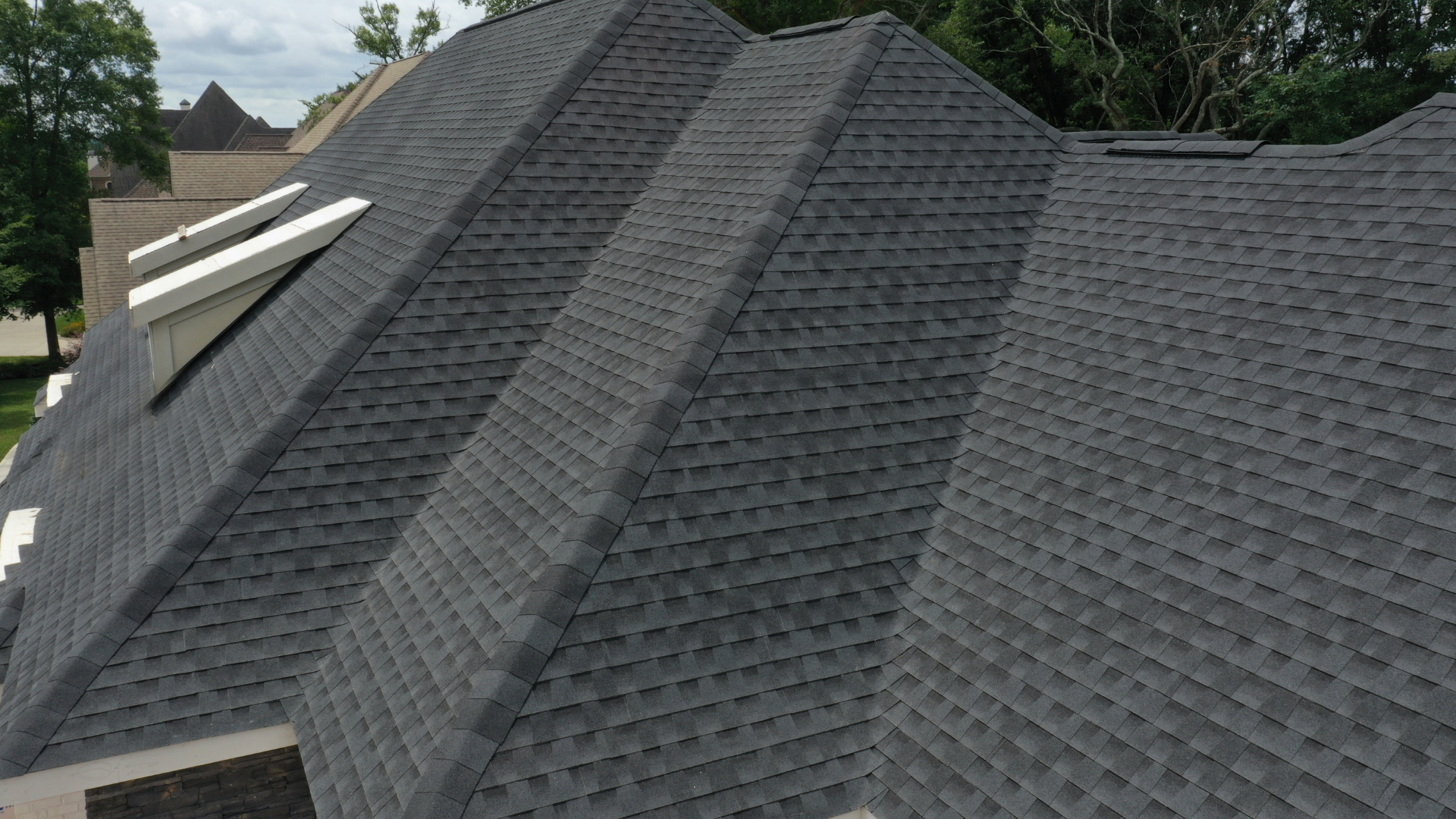
How Ventilation Extends the Life of High End Roofing Materials
High end shingles and roofing products are designed to deliver superior performance, but they depend on proper ventilation to achieve their full lifespan. Excessive heat can shorten the life expectancy of even the highest quality shingles. Proper airflow reduces thermal stress and helps the roof remain structurally sound over time.
Ventilation also supports the performance of underlayment products, attic insulation, and other premium materials used in a full roof replacement. When heat and moisture are controlled, the entire roofing assembly functions more efficiently, which translates into better long term value for the homeowner.
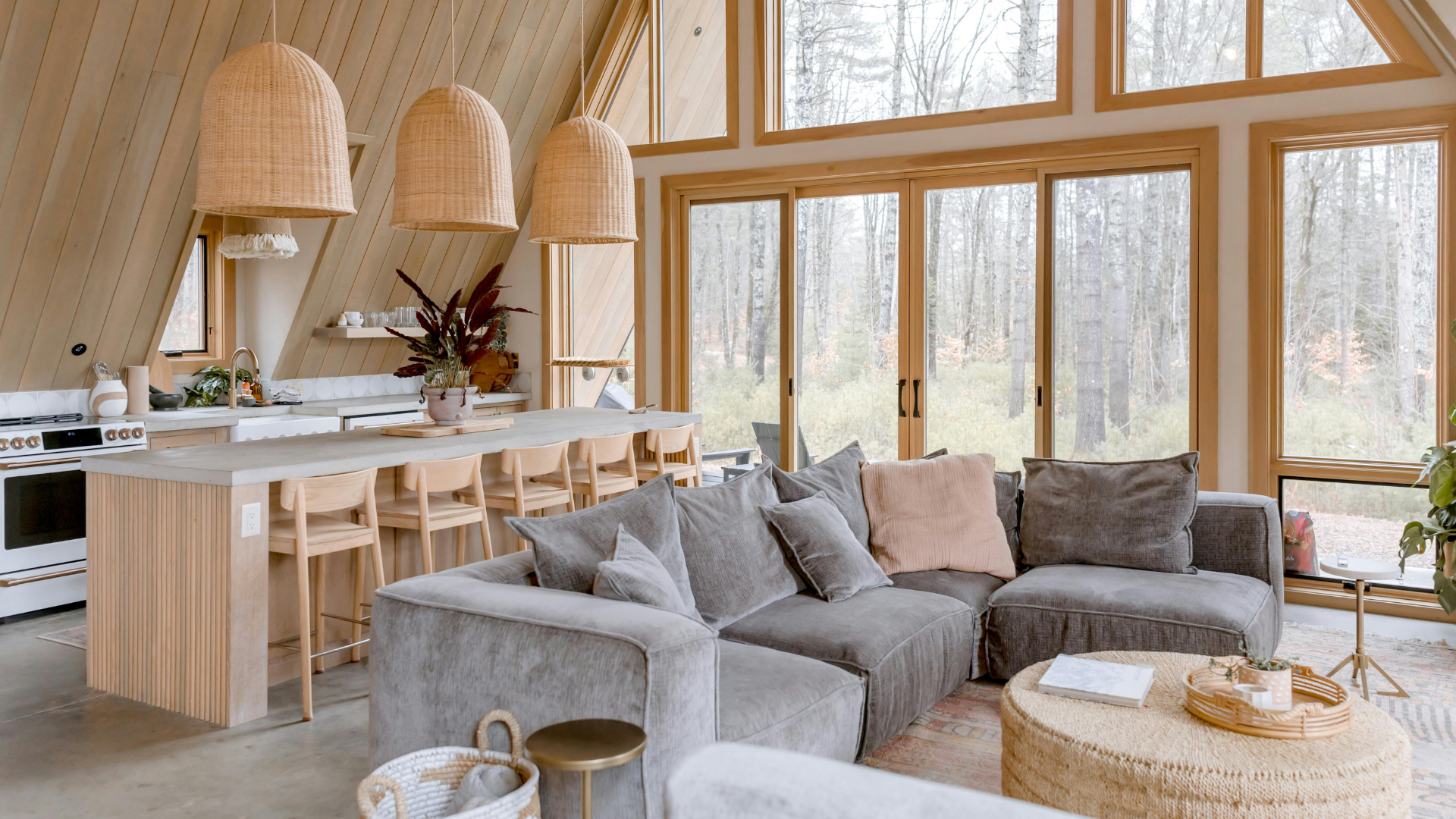
Improving Home Comfort and Energy Efficiency
Proper ventilation does more than protect the roof. It also contributes to a more comfortable living environment. When heat becomes trapped in the attic, it radiates downward into the home, increasing indoor temperatures. This forces cooling systems to work harder, especially during the summer months. By allowing hot air to escape naturally, ventilation helps maintain more consistent indoor temperatures and may reduce the strain on cooling equipment.
During colder months, ventilation helps prevent the formation of
ice dams by keeping the roof surface at a stable temperature. When warm attic air melts snow unevenly, water can refreeze at the edges of the roof and create blockages. Proper ventilation helps reduce this risk by promoting a uniform roof surface temperature.
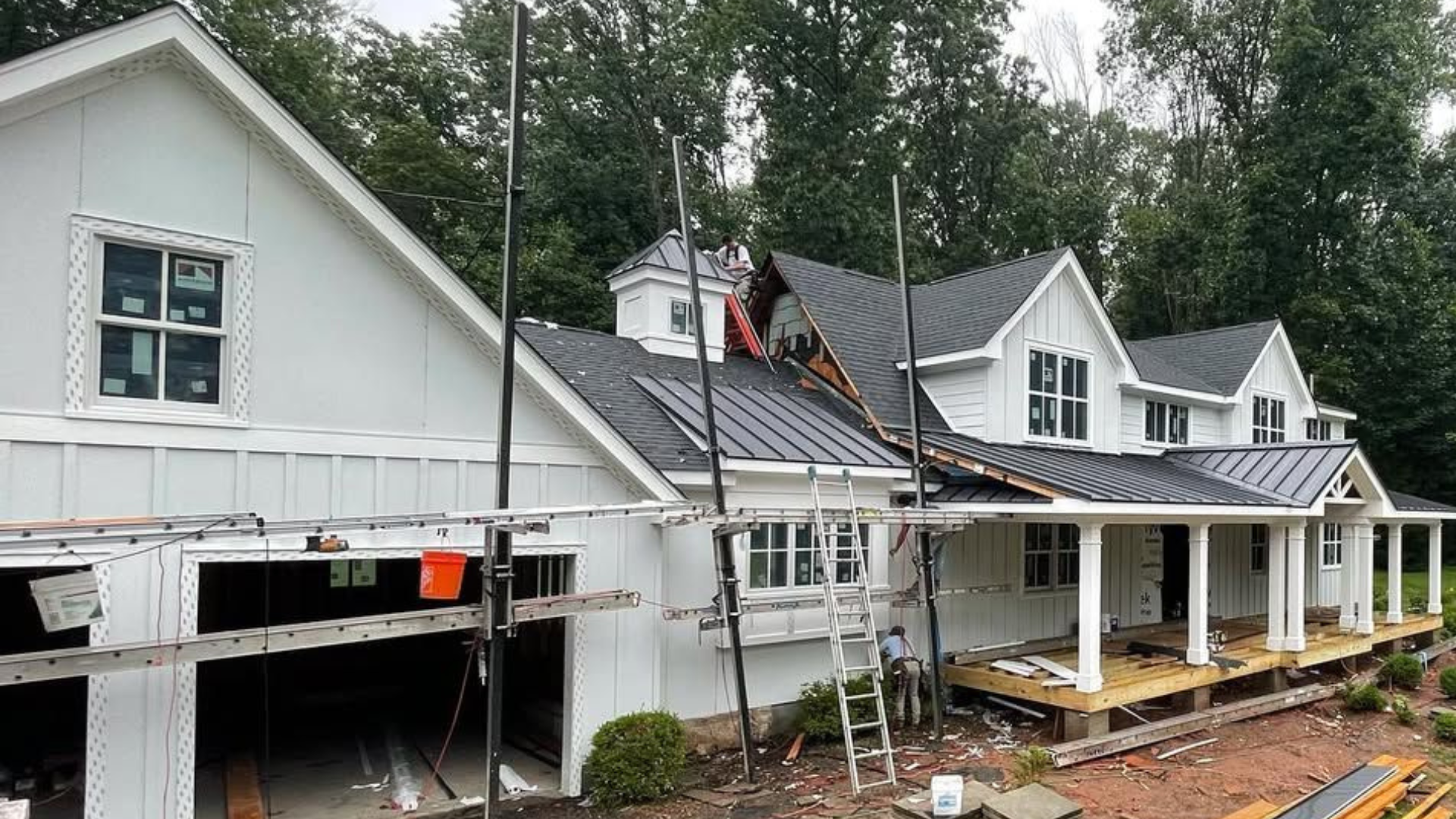
A Complete Roofing System Built to Last
A full roof replacement provides more than a new exterior surface. It allows homeowners to strengthen the structure, efficiency, and durability of their homes through proper ventilation planning. We ensure that the ventilation system is carefully evaluated and tailored to the needs of the home, creating a roofing system that protects, enhances comfort, and supports long term performance.
Building Better Roofs Through Better Ventilation
Proper ventilation is an essential part of a high quality roof replacement. By promoting airflow, controlling heat, and reducing moisture buildup, ventilation plays a significant role in extending the life of the roofing system and improving overall home efficiency. When we complete a roof replacement, we integrate balanced ventilation into every project so that homeowners receive a roofing system that is built to perform and built to last.